
You’re halfway down a fast descent when a car passes too close, or maybe you’re rolling through a quiet forest trail as the light breaks through the trees. Moments like these are exactly why riders search for the best camera for biking. It’s not just about sharp video—it’s about stability at speed, gear that survives bad weather, and a setup that works without pulling your attention off the ride. Below, we’ll cut through the noise and focus on what actually matters, including why many cyclists now gravitate toward modern 360 cameras like the Insta360 X5.
What Makes the Best Camera for Biking
Stabilization That Stays Smooth When the Road Doesn’t
No ride is truly smooth. Even freshly paved asphalt sends vibrations through the frame, and gravel or singletrack magnifies every bump. Without strong stabilization, footage quickly becomes hard to watch.
Modern electronic stabilization can now handle sharp impacts and high-frequency chatter without bulky gimbals. For riders chasing the best bike camera with stabilization, this means clean video on pothole-filled commutes, fast descents, and technical trail sections—without the nausea-inducing shake older cameras often produced.
Built to Handle Weather, Dirt, and Real-World Abuse
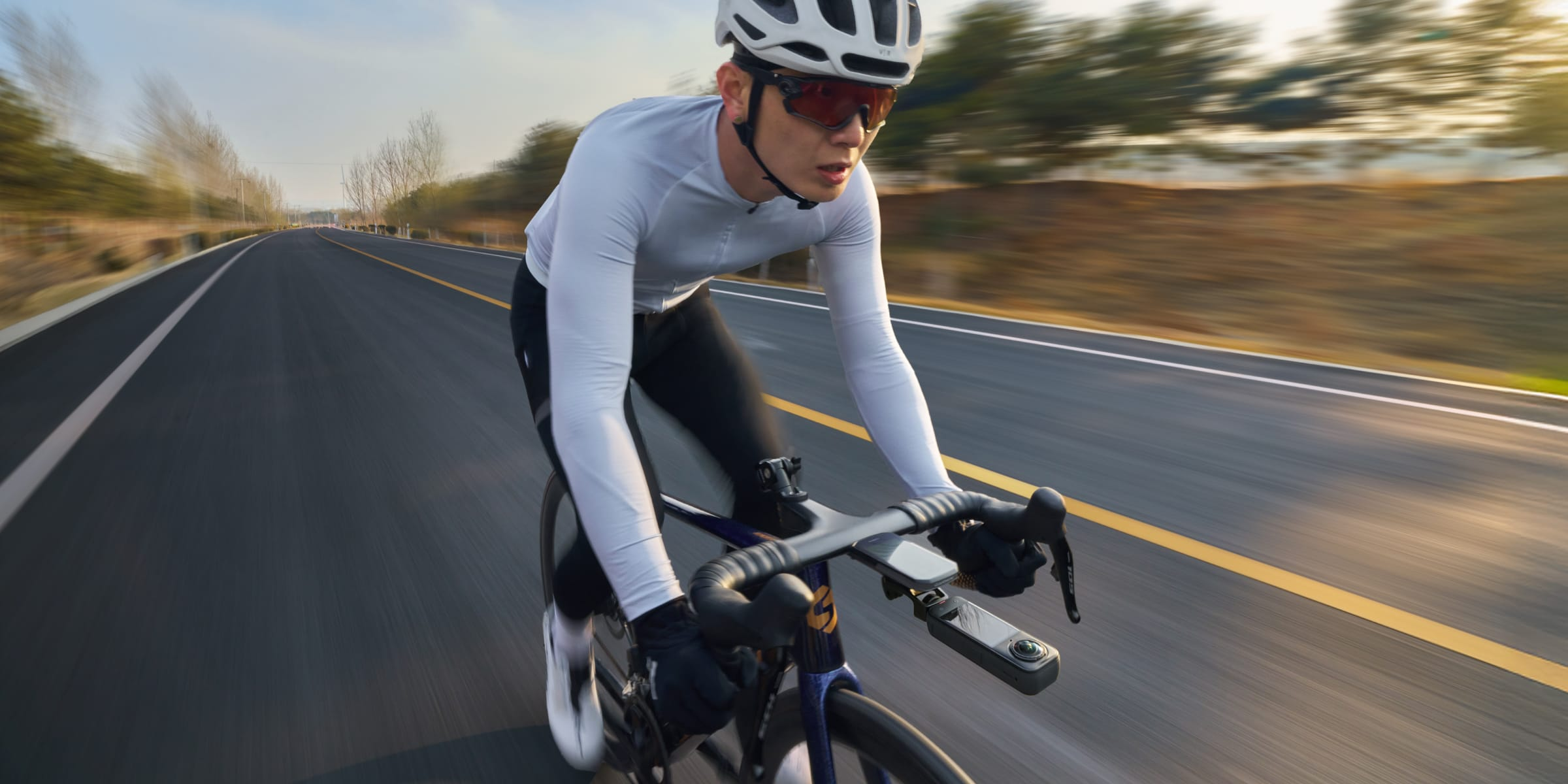
A bike camera lives a tougher life than most electronics. Rainstorms roll in mid-ride, dust coats everything on dry trails, and the occasional tip-over is inevitable. Solid construction, scratch-resistant lenses, and proper weather sealing aren’t optional—they’re survival features.
When a camera can handle sudden weather changes or muddy conditions, you ride with less worry and fewer interruptions.
Mounting Options That Let You Forget the Camera Is There
The best hands-free camera for biking disappears once you start pedaling. Helmet, handlebar, seatpost, and chest mounts let you tailor the setup to the ride, whether you’re commuting or chasing trails.
Controls matter too. Voice commands, large buttons, or quick app access are especially helpful when you’re wearing gloves or moving at speed.
Why 360 Cameras Are Changing Bike Video
No More Missed Shots from Bad Angles
Traditional action cameras demand constant attention to framing. Aim slightly off, and the clip is unusable. A 360 camera records everything around you, so the moment is never lost.
That freedom is why many riders now see a 360 option as the best 360 camera for biking—especially on unpredictable roads and trails where stopping to adjust a camera just isn’t practical.
Edit First, Choose the Angle Later
With 360 footage, decisions happen after the ride. You can switch between forward-facing views, rear traffic shots, or wide scenic angles using simple editing tools.
This flexibility is valuable whether you’re posting highlight clips, reviewing close calls with traffic, or building longer ride videos that need variety.
A More Immersive Riding Perspective
360 cameras naturally create a ride-along feel that standard action cams struggle to match. Viewers see the trail, the bike, and the environment together.
That immersive look is a big reason these cameras work so well as an action camera for mountain biking, where terrain and surroundings are part of the story.
How the Insta360 X5 Fits Biking Needs
FlowState Stabilization Built for Speed and Impact
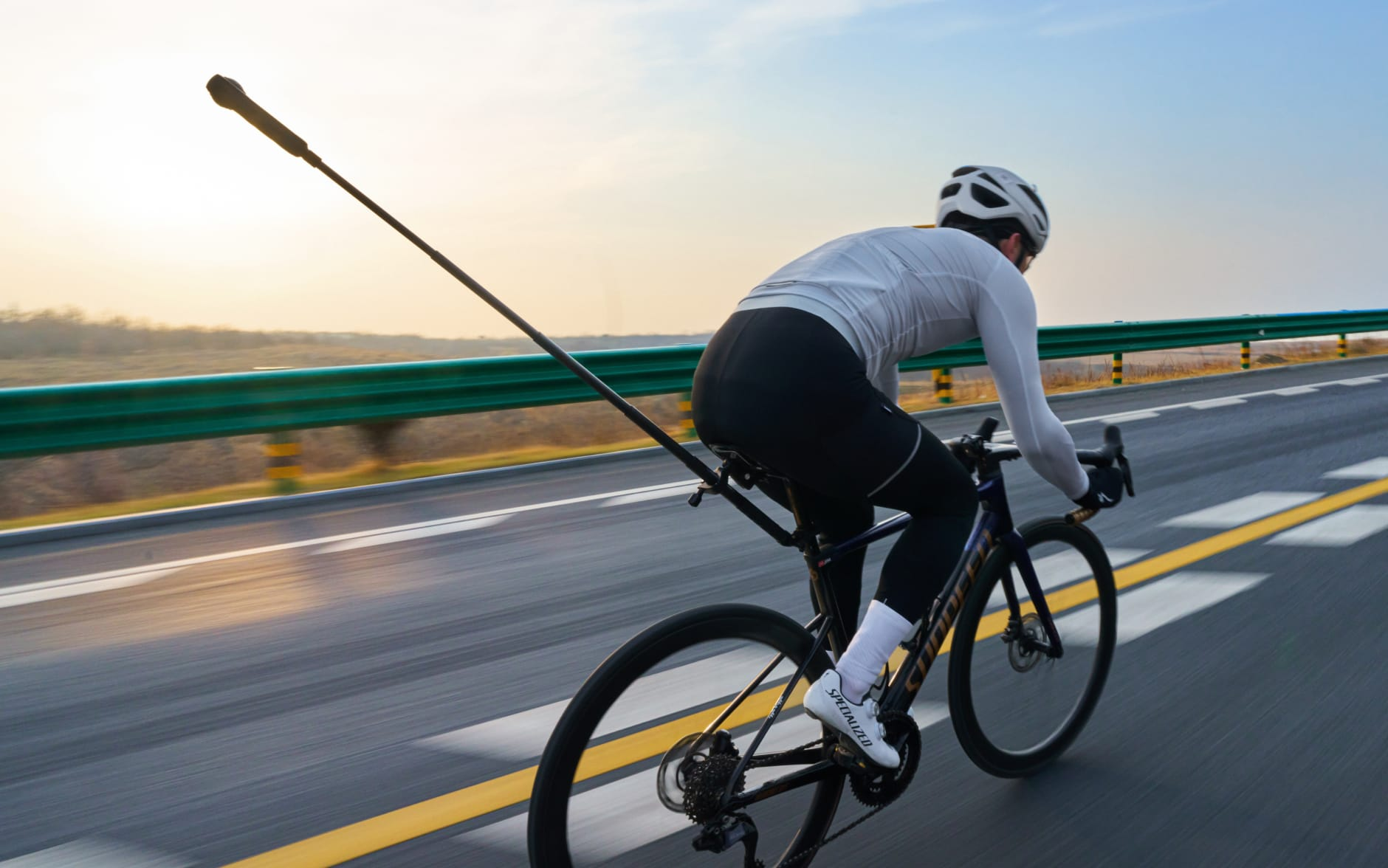
The Insta360 X5 uses FlowState stabilization to smooth footage during aggressive riding. Fast descents, hard braking, and rough surfaces stay controlled without heavy cropping.
For cyclists creating Insta360 X5 for cycling content, this means polished video straight from the camera, without extra stabilization gear.
Clear Video, Better Low-Light, and Usable Audio
When you’re reviewing rides or sharing clips online, details matter. The X5 produces crisp video with natural colors, making road markings, trail features, and traffic easier to see.
Early-morning commutes and dusk rides benefit from improved low-light performance, while upgraded microphones capture wind-reduced ambient sound and clearer voice notes.
Battery Life and Storage That Keep Up with Big Days
Nothing ends a good ride story faster than a dead battery. The Insta360 X5 supports long recording sessions and quick recharging, which is especially useful between back-to-back rides.
High-capacity memory card support makes it practical for full-day tours or multi-hour training rides without constantly checking storage space.
Real-World Biking Use Cases
Road Cycling and Daily Commuting
On the road, a bike camera often serves as a silent witness. Recording traffic interactions can add peace of mind and provide useful documentation if something goes wrong.
A compact, discreet setup works best here, and many commuters value the ability to capture both front and rear views in a single ride.
Mountain Biking and Gravel Riding
Trails demand gear that doesn’t flinch at impacts, dust, or sudden direction changes. A tough action camera for mountain biking with strong stabilization is essential.
360 cameras excel here, capturing jumps, switchbacks, and scenery without worrying about where the lens is pointed—opening up more creative edits later.
Bike Touring and Adventure Travel
For long-distance touring, the ride itself is the story. Reliable battery life, weather resistance, and flexible mounting options matter just as much as video quality.
Being able to reframe footage after the fact lets you stay focused on the road while still documenting the journey in detail.
Conclusion
The best camera for biking is the one that matches how and where you ride. Strong stabilization, real durability, and hands-free operation matter whether you’re commuting, racing, or exploring backroads. With 360-degree capture, dependable stabilization, and rider-focused features, the Insta360 X5 is a compelling choice for cyclists who want consistent, high-quality footage without micromanaging their camera. If you’re ready to upgrade your setup, start by deciding where you’ll mount it and what kind of rides you want to record most.
FAQs
Is a 360 camera better than a traditional action camera for biking?
For many riders, yes. A 360 camera records everything around you, so framing mistakes don’t ruin the shot. You can choose the best angles later, which is especially helpful on unpredictable routes.
Can the Insta360 X5 handle rain, mud, and crashes?
The camera is designed to handle everyday riding conditions, including rain and dirt. For extreme riding or frequent crashes, protective accessories are a smart addition.
What is the best mounting position for biking footage?
Helmet, handlebar, seatpost, and chest mounts are all popular. Each offers a different perspective, and 360 cameras let you experiment without locking into one angle.
Is the Insta360 X5 good for long-distance rides?
Yes. Its battery life, expandable storage, and effective stabilization make it well suited for long training sessions, commutes, and extended adventure rides.
For more details on mounting options, visit the Insta360 camera accessories guide. You can also explore how 360 cameras compare to traditional models in this 360 cameras vs action cameras comparison, or learn about safe commuting setups from Bicycling’s bike camera recommendations.