
You’re standing at the top of the run, goggles on, gloves zipped, snow glittering in the sun. You drop in—and whatever camera you’re using has about two minutes to prove it belongs there. If you’re searching for what is the best camera for snowboarding, the real answer comes down to how you ride, how you film, and what you want to do with the footage afterward. Snowboarding puts cameras through brutal cold, constant vibration, and rapid light changes, all while demanding smooth, watchable video. Riders today typically choose between classic action cameras and newer 360 cameras that capture everything at once. Below, you’ll find a practical breakdown of what matters most—and why models like the Insta360 X5 are earning a spot in so many winter kits.
What to Look for in the Best Camera for Snowboarding
Video Quality and Stabilization in Snowy Conditions
Snowboarding is rough on footage. Chatter on icy sections, quick edge changes, and high-speed carving can turn video into a shaky mess if stabilization isn’t up to the task. Strong electronic stabilization is essential, especially on longer runs where bumps add up fast.
Resolution matters too. Shooting in 4K or higher helps retain texture in bright snowfields while keeping tree runs from collapsing into shadowy blur. Many riders searching for the snowboarding camera with best stabilization care less about headline resolution and more about whether the footage stays smooth enough to watch all the way down.
Cold Weather Performance and Battery Life
Cold kills batteries—sometimes in half the time you’d expect. The best camera for snowboarding in cold weather should power on reliably below freezing and keep recording without sudden shutdowns mid-run.
Cameras with cold-optimized batteries, fast USB-C charging, or swappable packs make a noticeable difference on full-day resort laps or backcountry missions. Many experienced riders carry a spare battery in an inner pocket just to keep it warm.
Mounting Options and Ease of Use
When you’re wearing thick gloves and standing in the wind, fiddly controls become a problem. Snowboarding cameras need secure mounts and simple operation. Helmet mounts, chest mounts, and selfie sticks are the most common setups, and a solid helmet mounted camera for snowboarding shouldn’t shift or throw off your balance.
Features like glove-friendly touchscreens, voice commands, or one-button recording aren’t gimmicks—they save time and frustration when you’re trying to drop in quickly.
Types of Cameras Used for Snowboarding
Traditional Action Cameras
Action cameras have been a staple on the mountain for years. They’re small, tough, and easy to mount just about anywhere. For riders who want classic POV footage and minimal editing, they still do the job well.
The trade-off is framing. Miss the angle on a jump or turn your head at the wrong moment, and there’s no fixing it later.
360 Cameras for Snowboarding
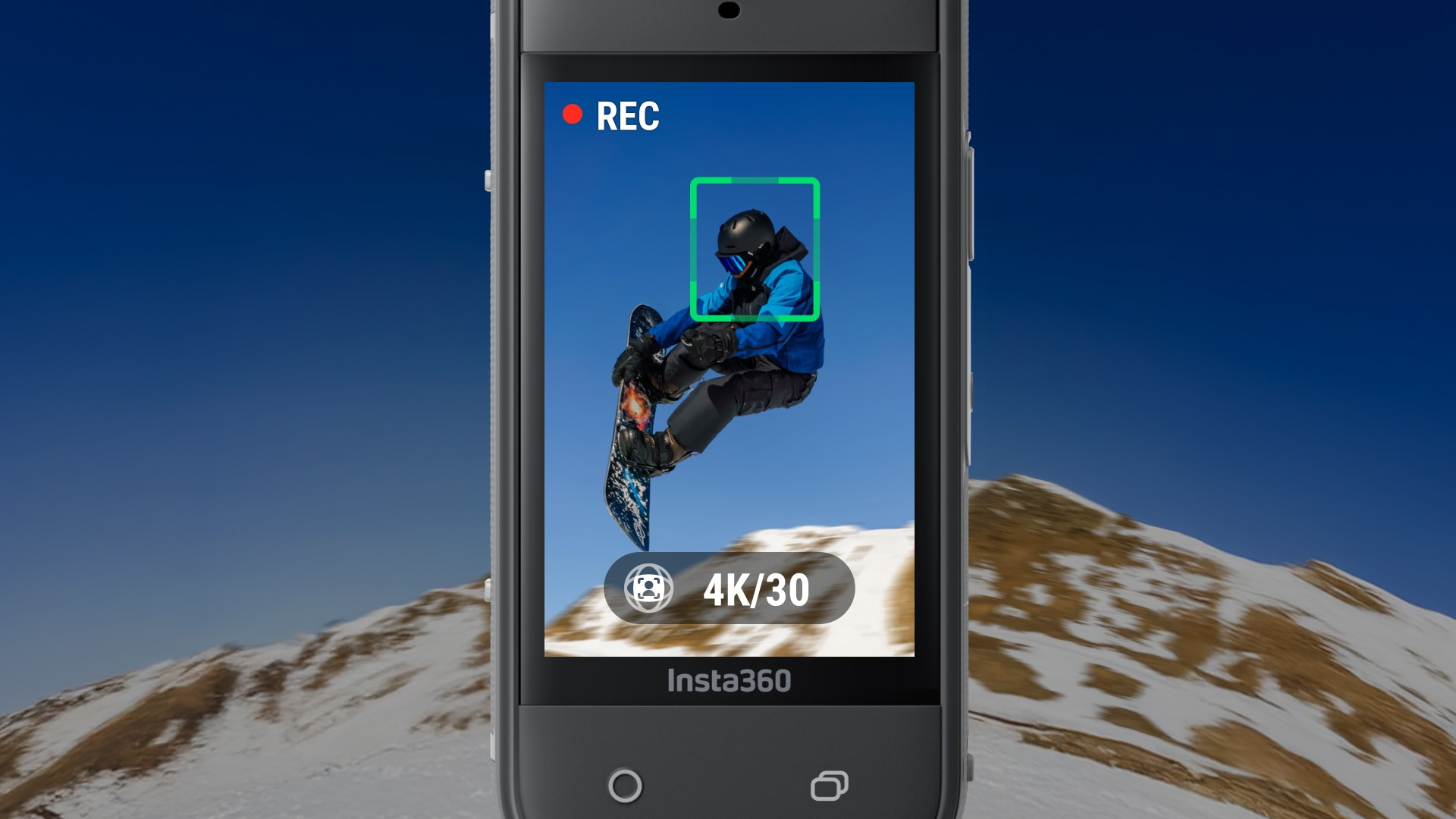
360 cameras flip the process around. Instead of aiming the lens, you ride normally while the camera records everything around you—front, back, and sides.
That approach is why they’re often mentioned as the best 360 camera for snowboarding, especially for riders who want dynamic, cinematic shots without riding with a dedicated filmer.
Smartphone vs Dedicated Cameras
Modern smartphones shoot great video, but snowboarding exposes their weaknesses quickly. Cold temperatures drain phone batteries fast, stabilization struggles with vibration, and mounting a phone securely is awkward at best.
Dedicated action and 360 cameras are designed for impacts, moisture, and sub-zero days, which makes them far more dependable once you leave the lodge.
Why 360 Cameras Are Popular for Snowboarding
Capturing Every Angle Without Reframing
The biggest draw of 360 cameras is freedom. You don’t have to think about angles while riding, because you can reframe everything later—forward-facing, profile shots, or smooth follow-cam views.
This is a huge advantage for riders producing best camera for snowboarding videos for social media, where different platforms demand different framing.
Invisible Selfie Stick and Third-Person Views
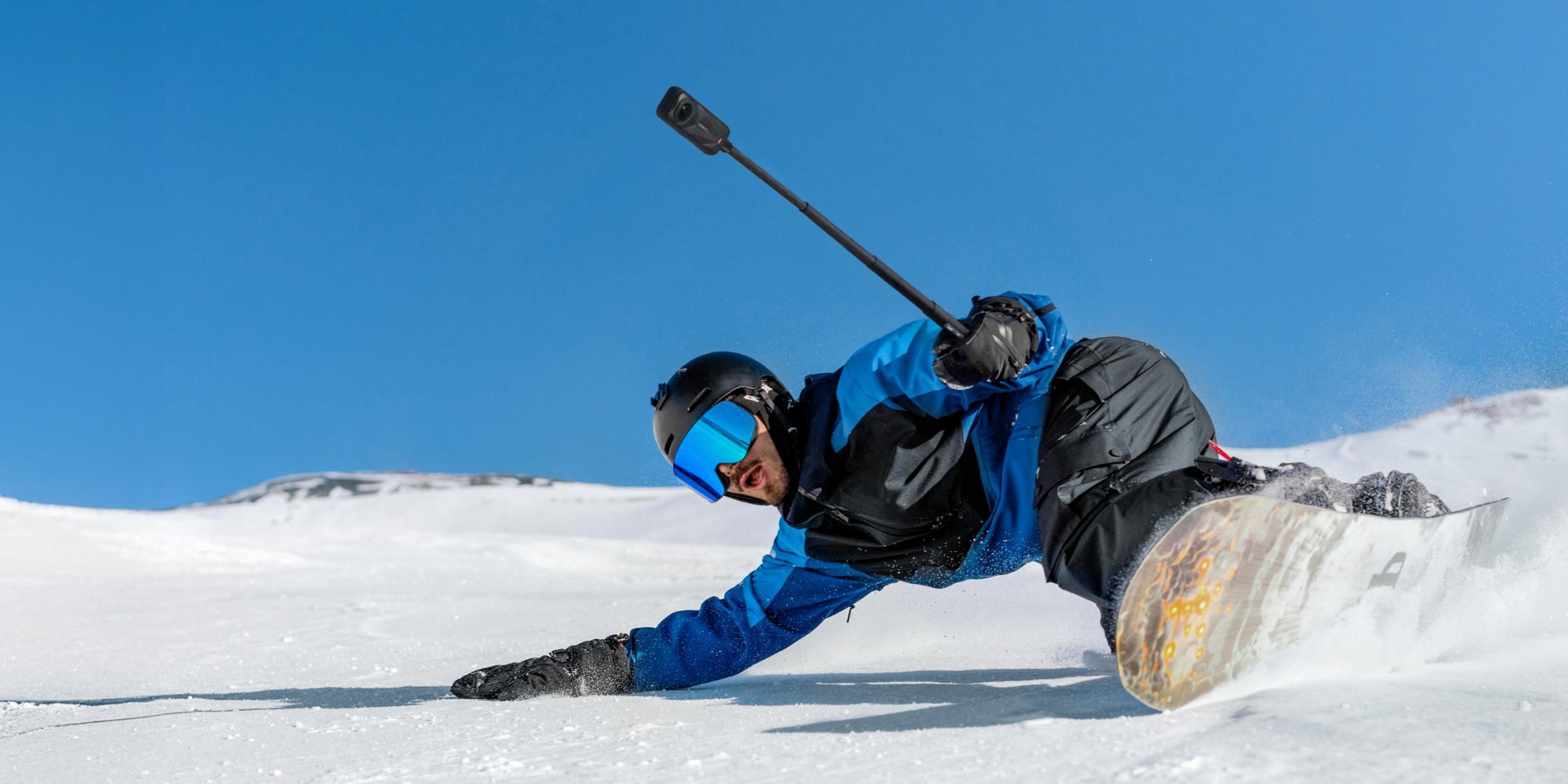
Many 360 cameras erase the selfie stick automatically, creating a floating, third-person perspective. The result looks like a drone or a chase filmer, even when you’re riding alone.
For solo riders who still want cinematic footage, this effect often seals the deal over a standard action camera.
Post-Editing Flexibility for Social Media
From one clip, you can pull vertical shots for TikTok, widescreen edits for YouTube, or slow-motion carves for Instagram Reels. That kind of flexibility saves time and reduces the need for multiple cameras.
When weighing an action camera vs 360 camera for snowboarding, creators usually land on whichever option gives them more control after the ride is over.
How the Insta360 X5 Fits Snowboarding Needs
Stabilization and Horizon Lock for Smooth Runs
The Insta360 X5 is built for motion-heavy sports. Its advanced stabilization smooths out chatter and landings, while horizon lock keeps the frame level—even through spins or uneven terrain.
The result is footage that looks composed and intentional without hours of setup or tweaking.
Durability, Waterproofing, and Cold Resistance
Cameras on the mountain take hits. Snow spray, hard falls, and freezing air are all part of the deal. The Insta360 X5 uses rugged construction and weather-resistant design suited to winter riding.
Riders reading an Insta360 X5 snowboarding review often point to its reliability in cold conditions as a standout advantage.
Creative Shooting Modes for Action Sports
Beyond standard video, the Insta360 X5 includes modes like time shift, slow motion, and automatic reframing. These features make it easier to turn raw runs into polished edits, even if you’re not an experienced video editor.
For deeper specs, visit the official Insta360 X5 product page.
Conclusion
The answer to what is the best camera for snowboarding comes down to how you ride and what you want from your footage. Action cameras deliver simple, reliable POV shots, while 360 cameras unlock creative angles and serious post-editing freedom. If smooth footage, flexible framing, and cinematic perspectives are high on your list, the Insta360 X5 is built to handle winter riding without getting in the way. Decide how you want to film your runs, match that with strong stabilization and cold resistance, and choose a camera that will actually keep up with you on the mountain.
FAQs
What is the best camera for snowboarding beginners?
Beginners benefit most from cameras with excellent stabilization, straightforward controls, and tough construction. Automatic shooting modes and easy mounting let new riders focus on staying upright and having fun.
Is a 360 camera better than an action camera for snowboarding?
A 360 camera is often the better choice for riders who want creative angles and flexibility during editing. Action cameras still work well for classic POV footage, but 360 cameras remove the need to aim while riding.
How do cameras perform in extreme cold while snowboarding?
All batteries lose capacity in cold weather. Cameras designed for snow sports handle freezing temperatures better, but carrying spare batteries and keeping them warm is always a smart move.
Can I use the Insta360 X5 with a helmet or selfie stick?
Yes. The Insta360 X5 works with helmet mounts, chest mounts, and selfie sticks, and its invisible selfie stick feature is especially popular for third-person snowboarding shots.