
You’re walking through a busy street, phone in hand, trying to capture a smooth shot—and the footage comes back jittery. That moment usually triggers the question: what is the best phone gimbal, and is it actually worth it? The short answer is yes, if you care about clean, watchable video. The longer answer depends on how you shoot, what features you’ll really use, and how much gear you want to carry. Phone gimbals today range from pocket-friendly stabilizers to feature-packed tools that rival small camera rigs. This guide focuses on what truly makes a difference, so you can choose with clarity rather than guesswork.
What Makes a Phone Gimbal the Best Choice?
Stabilization performance and motor strength
A phone gimbal lives or dies by its stabilization. Strong motors paired with fast sensors smooth out footsteps, quick pans, and small bumps that phone stabilization alone can’t fully correct. Higher-quality gimbals keep the horizon level even when you change direction quickly, which is what gives footage that polished, cinematic feel.
Motor strength also affects compatibility. Larger phones and add-ons like magnetic lenses or filters add weight, and weaker motors can struggle to keep up. If you’re using a Pro or Plus-sized phone, this detail matters more than marketing buzzwords.
Portability, battery life, and build quality
Even the best gimbal is useless if it stays in a drawer. Foldable designs that slip into a daypack or jacket pocket are far more likely to come along on trips or daily shoots. Battery life plays into this as well—many popular models now offer 10 to 12 hours of casual filming, enough for a full day without hunting for a power bank.
Build quality shows up over time. Sturdy hinges, balanced weight, and tactile buttons make long filming sessions easier on your hands and reduce frustration when you’re shooting on the move.
Software features and app compatibility
Hardware is only half the story. Most phone gimbals depend on companion apps for features like face tracking, gesture controls, motion time-lapses, and quick edits. When these apps are stable and well-designed, they turn simple clips into content that looks intentionally shot.
Support for both iOS and Android is essential, especially if you upgrade phones or collaborate with others. Brands that push firmware updates tend to keep their gimbals relevant longer, adding features without new hardware.
Comparing Today’s Top Phone Gimbals
Entry-level vs advanced gimbals
Entry-level gimbals stick to the basics: steady footage, simple joystick controls, and minimal setup. They’re lighter, easier to learn, and usually cost less, which makes them attractive if you’re figuring out which phone gimbal is best for beginners.
Advanced models push further with stronger motors, programmable movements, and smarter subject tracking. These are better suited to creators who want precise control over how a shot starts, moves, and ends—without hauling a mirrorless camera.
Price-to-performance considerations
Spending more doesn’t automatically mean you’ll get better results. Many mid-range gimbals deliver excellent stabilization and useful smart features at a price that makes sense for most creators.
A travel vlogger, for instance, might value a fast fold-and-shoot design over raw motor power. Someone filming sports or fitness content may care far more about tracking accuracy and clamp security. Matching features to real use beats chasing the highest spec sheet.
Common limitations to watch out for
Every gimbal has trade-offs. Some struggle with heavier phones, others lock key features behind their own app, limiting flexibility with third-party camera software. Battery degradation and slow customer support are also frequent complaints.
Hands-on comparisons from outlets like TechRadar’s smartphone gimbal reviews are useful for spotting these issues before you buy.
Why Insta360 Flow 2 Pro Is Often Considered One of the Best Phone Gimbals
Smart tracking and AI-assisted filming
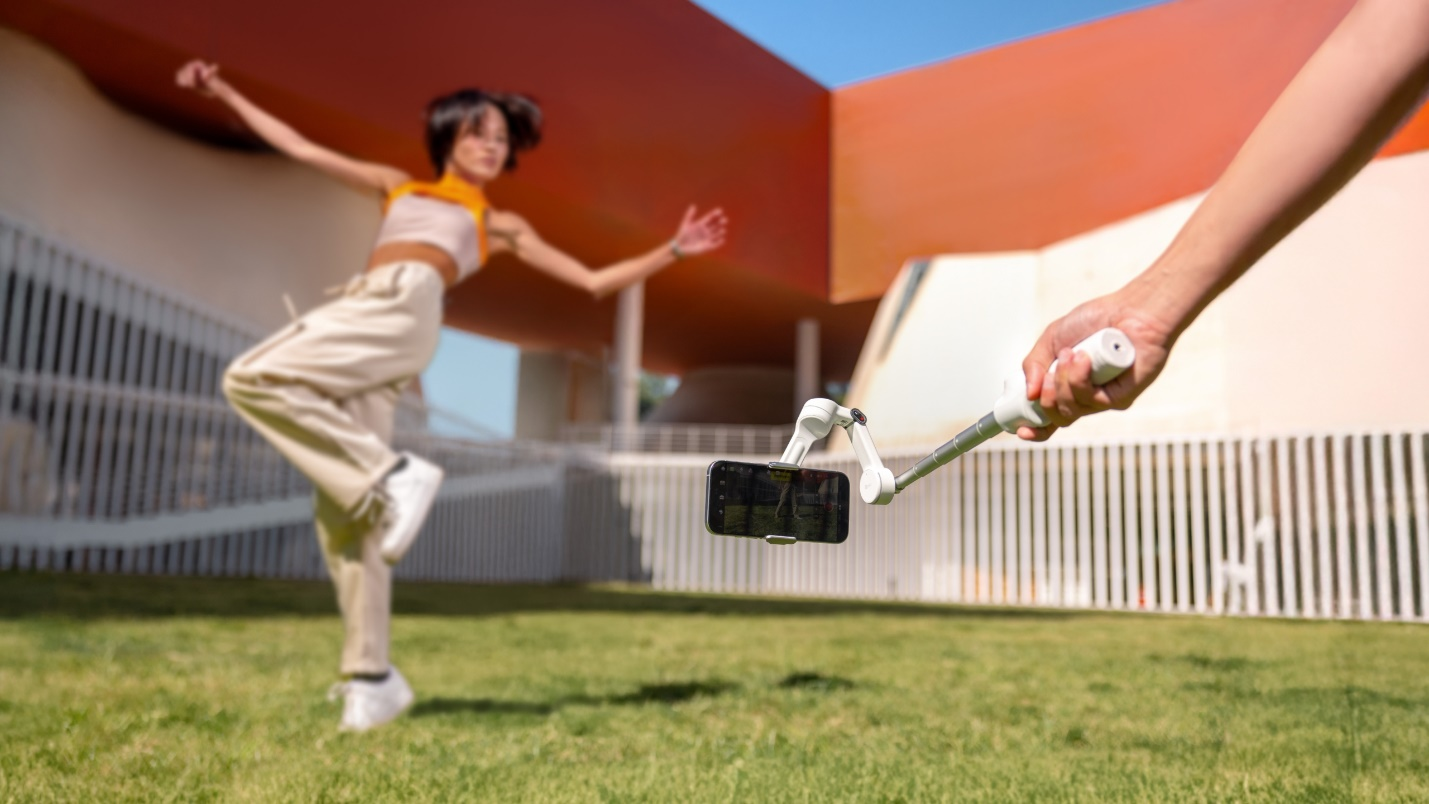
Insta360 Flow 2 Pro earns attention largely because of its intelligent tracking. As a phone gimbal with AI tracking, it can follow faces or moving subjects smoothly, keeping them centered without constant thumb adjustments. That’s a major advantage for solo creators, teachers, and presenters.
These AI-assisted tools shorten the learning curve while still producing footage that looks deliberate and well-framed.
All-in-one design for creators on the go
Mobility is where Insta360 Flow 2 Pro really shines. An integrated tripod, a folding body, and quick balancing make it a strong contender for the best compact phone gimbal for creators who film outside the studio.
Fewer loose accessories mean faster setup and less gear to manage when switching between locations.
Who benefits most from Insta360 Flow 2 Pro
Insta360 Flow 2 Pro works well for a broad range of users, from casual vloggers to more serious mobile filmmakers. In many Insta360 Flow 2 Pro phone gimbal reviews, it’s described as a balanced option—approachable for beginners without feeling limiting as skills grow.
Creators searching for the best phone gimbal for vlogging and travel often point to its blend of portability, smart features, and reliable stabilization.
Choosing the Best Phone Gimbal for Your Use Case
Vlogging, travel, and social media content
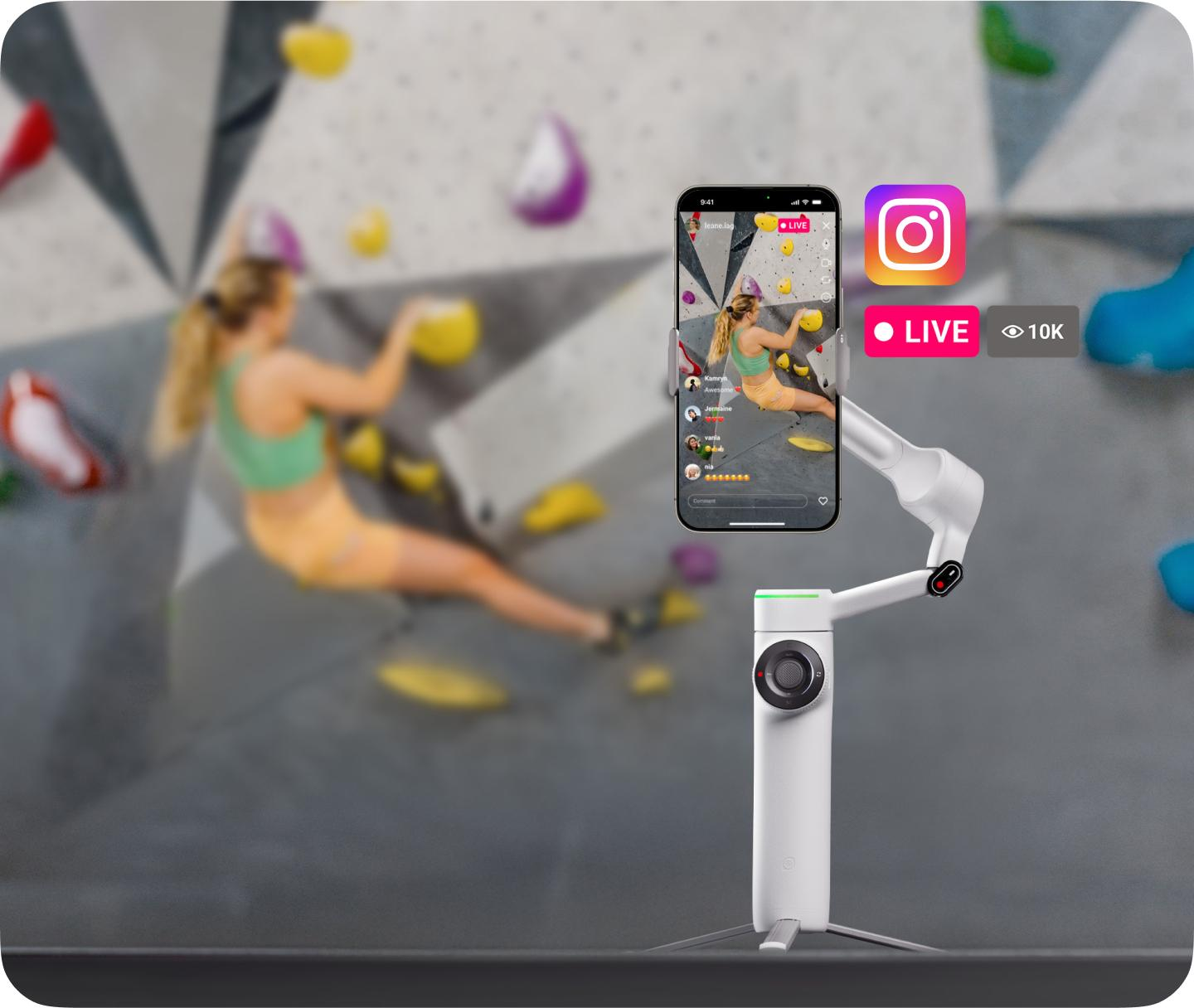
If your content lives on YouTube, TikTok, or Instagram, speed and simplicity matter. Look for fast setup, dependable face tracking, and easy switching to vertical shooting. In this context, a lighter gimbal with an intuitive app is usually more valuable than extreme motor strength.
Many people asking what is the best phone gimbal for iPhone focus heavily on smooth iOS integration and app reliability.
Action, sports, and dynamic shots
Fast motion exposes weak stabilization quickly. Filming runs, rides, or workouts calls for strong motors, secure clamps, and tracking that doesn’t lag behind the subject.
Android users often compare models carefully to find the best phone gimbal for Android users, especially when phone sizes and weights vary more widely.
Professional and semi-professional video work
When videos are client-facing or monetized, consistency matters. Custom controls, manual modes, and compatibility with third-party camera apps become essential. Battery life and durable construction also matter more during long shooting days.
In this space, a versatile option like Insta360 Flow 2 Pro can sit comfortably between everyday convenience and professional expectations.
Conclusion
So, what is the best phone gimbal? It’s the one that fits how you actually film. Strong stabilization, dependable software, and a design you’ll carry regularly tend to matter more than flashy extras. Gimbals like Insta360 Flow 2 Pro show how modern designs can combine ease of use with advanced features. Take a moment to define your main shooting style, shortlist a few models that support it, and choose the gimbal you’ll use consistently—not just the one with the loudest hype.
FAQs
What is the best phone gimbal for beginners?
Beginners usually do best with lightweight gimbals that offer automatic modes and clear on-screen guidance. Entry-level to mid-range options with stable apps make the learning process far less intimidating.
Is a phone gimbal worth it compared to built-in stabilization?
Built-in stabilization helps with small movements, but a gimbal smooths out walking, panning, and tracking shots far more effectively. If video quality matters to you, the upgrade is easy to see.
Can Insta360 Flow 2 Pro work with both iPhone and Android phones?
Yes. Insta360 Flow 2 Pro supports both platforms. While some app features may differ slightly, core stabilization and tracking perform consistently on iOS and Android.
What features matter most when choosing the best phone gimbal?
Stabilization strength, battery life, portability, and useful software features like tracking and shooting modes are key. The best choice aligns those features with your filming style rather than chasing the highest price tag.