
You’re halfway down a blue run, light snow falling, speed picking up—and that’s when you wish you could replay the moment exactly as it felt. To recommend a good cam for snowboarding, you have to think beyond basic video quality. Cold drains batteries. Speed exaggerates shake. Falls are inevitable. Beginner to intermediate riders usually want a camera that just works: stable footage, simple controls, and no constant fiddling between runs. Modern action cameras and 360 cameras now handle subzero temps, aggressive movement, and awkward angles far better than they did even a few years ago. This guide breaks down what actually matters on the mountain and why the Insta360 X5 keeps coming up as a strong allaround option.
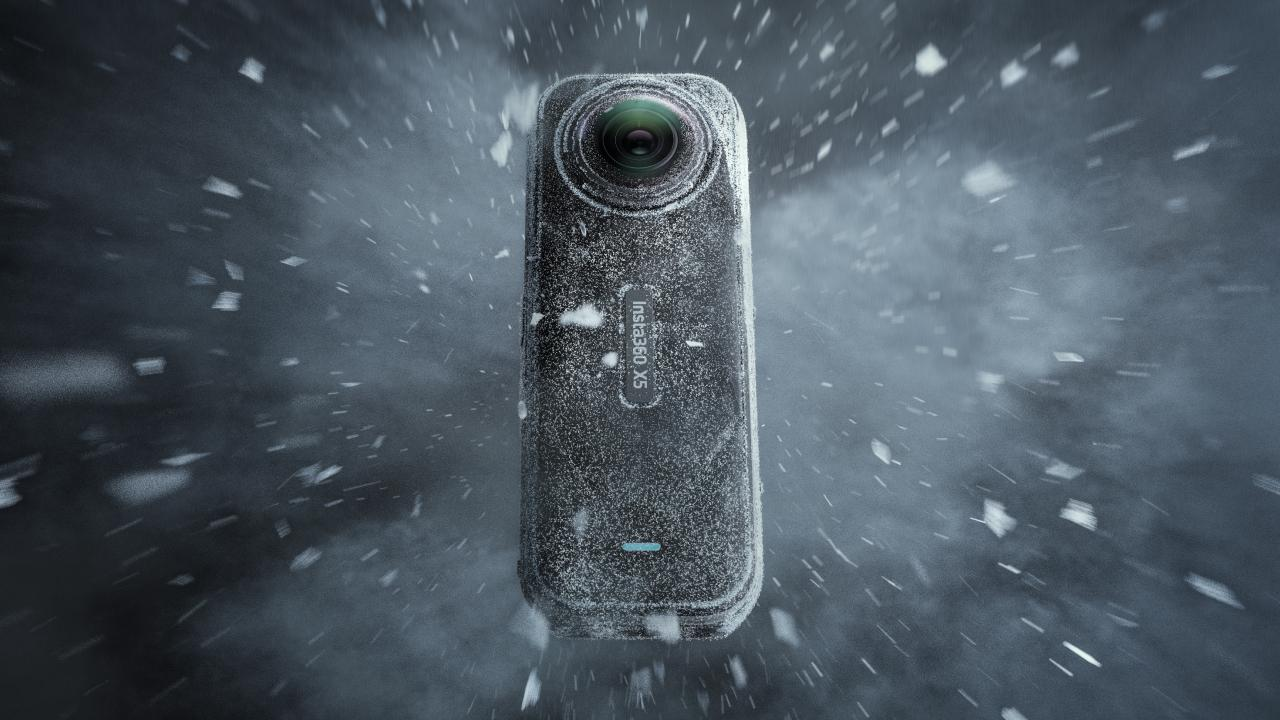
What Makes a Good Camera for Snowboarding
Snowboarding is rough on gear. Between freezing chairlift rides, highspeed chatter, and the occasional slam, cameras get tested fast. Not every action cam is built for that environment. Focusing on a few core factors will quickly separate mountainready cameras from ones better suited to casual use.
Cold-Weather Performance and Battery Life
Cold is the fastest way to kill a battery. A good cam for snowboarding in cold weather needs efficient power management and batteries that don’t shut down the moment temperatures dip below freezing.
Models with quickswap batteries and fast charging make a noticeable difference on full riding days. Keeping a spare battery in an inside jacket pocket—close to body heat—can easily double your usable recording time.
Stabilization for High-Speed Riding
Carving, edge chatter, and uneven terrain all translate into camera shake. Without strong stabilization, footage quickly becomes jittery and hard to watch.
Advanced electronic stabilization smooths out those vibrations, even at speed. This matters most with a helmet mounted camera for snowboarding, where natural head movement can amplify every bump.
Durability and Waterproofing
Falls happen. A camera should be able to handle snow, ice, and minor impacts without needing a bulky protective case.
Look for solid weather sealing, scratchresistant lenses, and mounts that don’t loosen in the cold. Waterproofing also protects against melting snow that refreezes on the camera body between runs.
Why 360 Cameras Are Popular for Snowboarding
Standard action cameras still have their place, but 360 cameras have changed how many riders film. Instead of worrying about where the lens is pointed, you can focus entirely on riding.
Capture Every Angle Without Repositioning
A 360 camera records everything around you at once. Mounted on a helmet, chest, or pole, it captures your riding, the slope ahead, and the surrounding scenery in a single clip.
For beginners especially, this removes the mental load of adjusting angles while learning turns, stops, and speed control.
Reframing Tricks and POV After the Ride
Reframing is where 360 cameras really earn their popularity. Instead of committing to one angle on the hill, you choose the best perspectives later in the app.
That flexibility makes it easy to create followcam shots, thirdperson views, or smooth transitions from a single run—no reshoots required.
Insta360 X5 as a Snowboarding Camera Option
Among current models, the Insta360 X5 often comes up as a wellrounded choice for riders who want strong results without a complicated setup. Here’s why it’s frequently highlighted in an Insta360 X5 snowboarding review.
Video Quality and Low-Light Snow Scenes
Snowy environments are deceptively difficult to film. Bright highlights, shaded trees, and flat light can easily wash out detail.
The Insta360 X5 handles contrast well, keeping definition in both sunlit slopes and darker forest sections. Its sensors are tuned for outdoor action, so footage stays sharp even on overcast afternoons or lateday runs.
Stabilization and Horizon Lock on Slopes
Stabilization is one of the X5’s biggest strengths. Even on choppy terrain, footage stays smooth and comfortable to watch.
Horizon lock keeps the frame level as you carve or ride switch, which dramatically reduces the amount of cleanup needed in editing.
Ease of Use with Gloves and Mobile App
Tiny buttons and cold hands are a bad combination. The Insta360 X5 keeps controls simple and supports voice commands, so you don’t have to remove gloves to start or stop recording.
The mobile app is equally beginnerfriendly, with quick reframing tools and templates that let you export polished clips in minutes. That ease of use is a big reason it’s often recommended for snowboarding newcomers.

Mounting, Settings, and Shooting Tips
Even a great camera can disappoint if it’s mounted poorly or set up incorrectly. A few smart choices can noticeably improve your footage from the first run.
Best Mounts for Helmets, Chests, and Poles
Helmet mounts deliver an immersive firstperson view and work well for lessons or POV runs. Chest mounts sit lower and tend to feel more stable, showing both board movement and terrain.
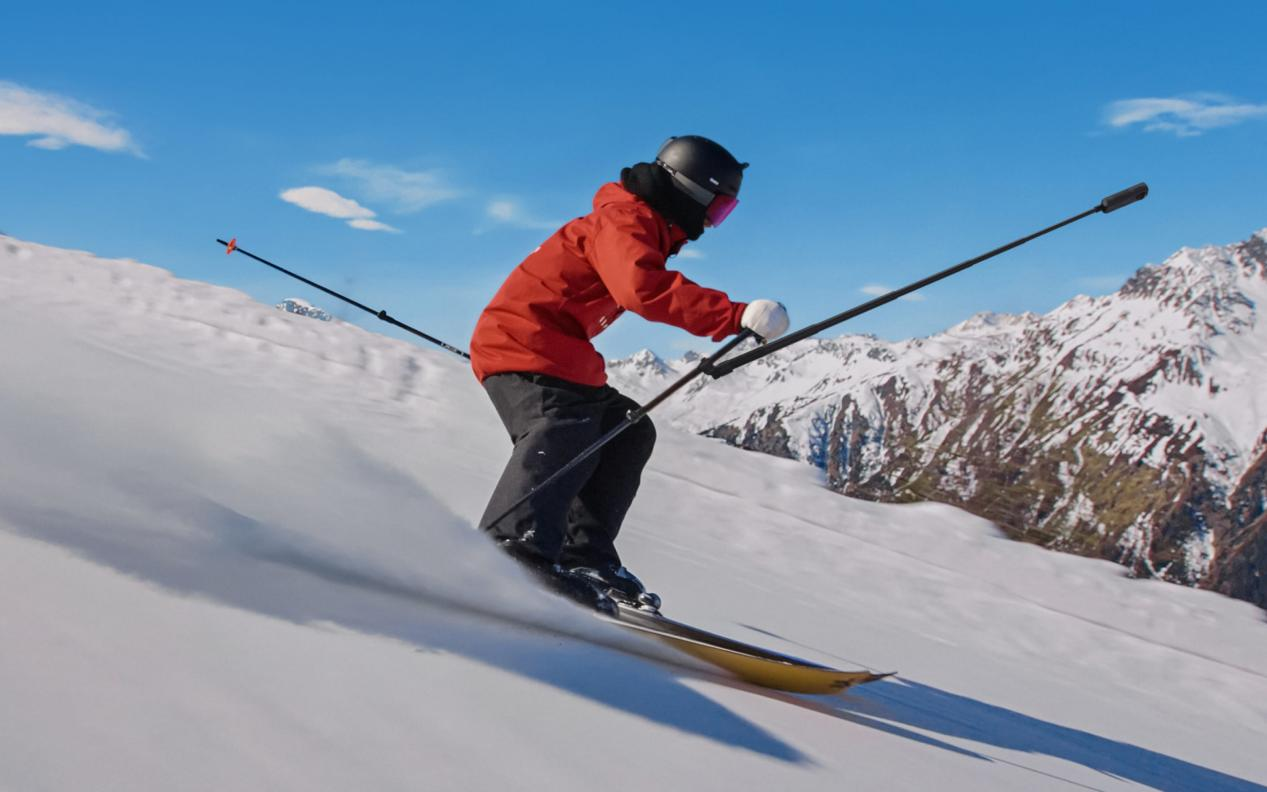
For more cinematic results, a pole mount paired with a 360 camera creates a floating thirdperson look. Just make sure all mounts are rated for cold temperatures and locked down securely.
- Helmet mount for POV runs and lessons
- Chest mount for stability and speed perception
- Pole mount for creative angles and follow shots
Recommended Settings for Snowy Environments
Snow reflects a surprising amount of light, which can push auto exposure too far. Slightly reducing exposure compensation helps preserve detail in bright areas.
Higher frame rates work well for fast action, and stabilization features should always be enabled. Learning a few core action camera settings for snowboarding can instantly elevate the quality of your videos.
For deeper dives, resources like Insta360’s official support guides and Digital Camera World tutorials provide practical, stepbystep advice.
Conclusion
When you recommend a good cam for snowboarding, reliability matters more than flashy specs. Look for coldweather performance, strong stabilization, and controls that don’t slow you down on the hill. 360 cameras have become a favorite because they capture everything and let you decide on angles later. The Insta360 X5 checks those boxes with smooth footage, durable design, and an editing workflow that doesn’t feel overwhelming. Choose a setup that fits your riding style, dial in a few settings, and start turning everyday runs into clips you’ll actually want to share.
FAQs
Is a 360 camera better than a standard action cam for snowboarding?
For many riders, yes. A 360 camera captures everything at once, so you can focus on riding and worry about framing later during editing.
How does cold weather affect action camera batteries?
Cold reduces battery efficiency and shortens recording time. Carrying spare batteries in a warm inner pocket helps maintain performance throughout the day.
Can beginners easily edit snowboarding footage from a 360 camera?
Most modern 360 cameras include intuitive apps with automatic reframing and templates, making it easy to create polished clips with no prior editing experience.