
You’re standing at the edge of a trail, helmet on, light fading fast—and the footage you capture in the next hour will either look cinematic or completely unusable. That’s the difference a truly recommended action camera makes. Most buyers compare specs like resolution, stabilization, and battery life, but the smarter decision comes from understanding how those features hold up in real-world use. Whether you’re filming high-speed sports, travel highlights, or everyday vlogs, this guide cuts through the noise and explains what actually matters. You’ll also see where modern options like the Insta360 Ace Pro 2 fit into today’s action camera landscape, so you can buy with confidence instead of guesswork.
What Defines a Truly Recommended Action Camera
Video quality that holds up beyond spec sheets
Resolution alone doesn’t guarantee great footage. Many cameras shoot 4K, but differences in sensor quality and image processing determine whether clips look crisp or artificially sharpened.
If you film indoors, during golden hour, or after dark, low-light performance quickly separates average models from a recommended action camera for low light video. Strong performers control noise, keep colors believable, and avoid the muddy shadows that ruin night shots.
Stabilization that looks natural in motion
Modern electronic stabilization can make rough terrain look smooth, even during mountain biking, skiing, or fast handheld movement.
The goal isn’t just smooth footage—it’s footage that doesn’t feel distorted. A recommended action camera with best stabilization minimizes edge warping and heavy cropping, keeping the scene immersive rather than artificial.
Build quality you don’t have to baby
Action cameras earn their name by surviving conditions that would destroy a phone. Dust, rain, drops, and sudden temperature changes are part of normal use.
While most models are waterproof without a case, depth ratings, button reliability, and overall construction still vary. For serious outdoor use, durability matters as much as any headline feature.
Key Performance Factors Worth Comparing Side by Side
Sensor size and real-world image processing
Larger sensors capture more light, which improves dynamic range and detail in difficult scenes. Pair that with modern AI-driven processing, and you get footage that holds together when lighting isn’t ideal.
This advantage is easy to spot when filming in forests, urban streets, or anywhere bright skies meet deep shadows.
Battery life that matches how you shoot
Battery life isn’t measured in a vacuum. Cold weather, high frame rates, and stabilization all drain power faster than advertised.
A realistic recommended action camera battery life comparison looks at actual shooting time. USB-C fast charging and swappable batteries make a noticeable difference on long days away from an outlet.
Audio quality and flexibility
Built-in microphones are better than they used to be, but wind remains the biggest challenge. Some cameras now use directional audio processing to keep voices clearer.
If you record narration or interviews, support for external or wireless microphones turns an action camera into a serious content tool.
Choosing a Recommended Action Camera by Use Case
High-intensity sports and outdoor adventures
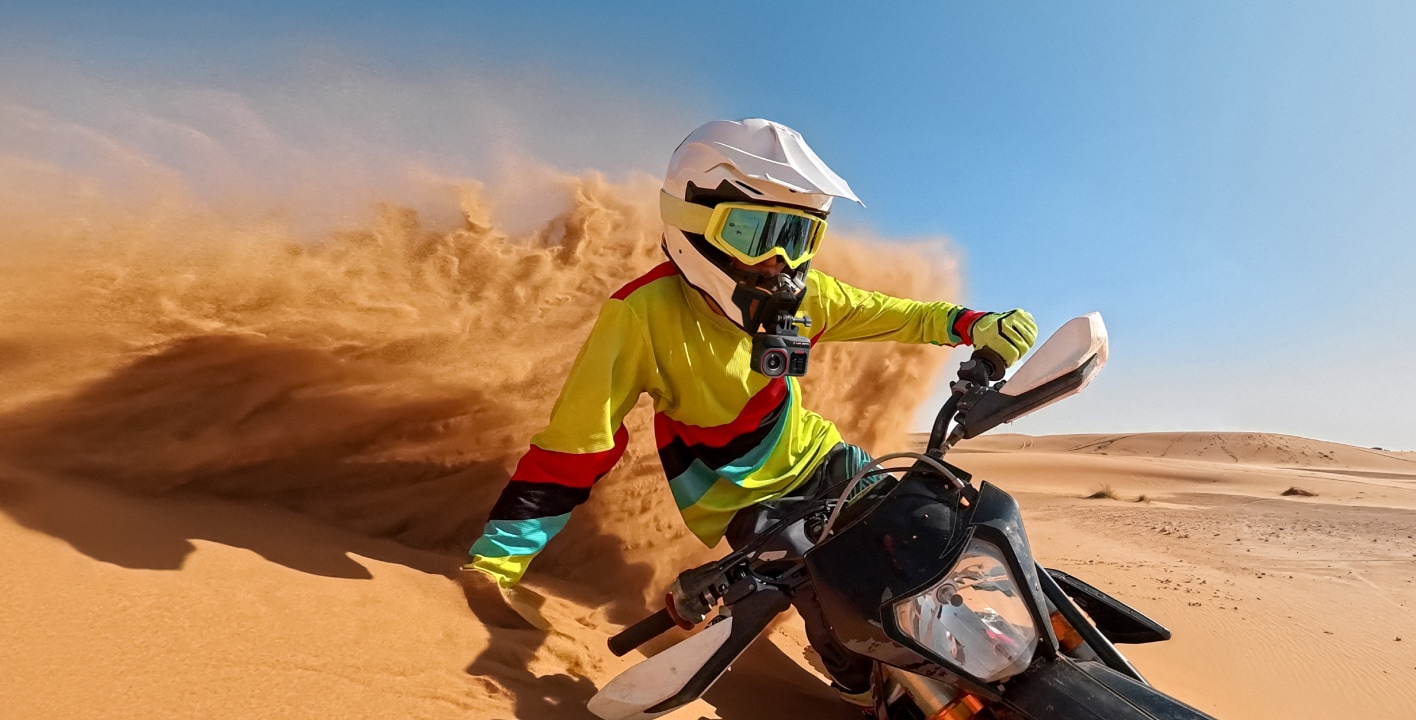
For action sports, high frame rates, dependable stabilization, and tough construction take priority. Mounting options also matter more than most buyers expect.
A recommended action camera for travel and adventure should perform reliably when conditions change quickly—because missed shots don’t come back.
Vlogging and creator-focused shooting
Vloggers benefit from front-facing screens, dependable autofocus, and clean audio. Cameras that produce consistent color straight out of the box also reduce editing time.
When looking for a recommended action camera for vlogging, ease of use often beats extreme specifications you’ll rarely push.
Travel memories and everyday recording
For casual use, portability and efficiency matter most. A camera that powers on quickly and uses intuitive controls encourages spontaneous filming.
This is where a recommended action camera for beginners shines—strong results without forcing you to learn complex menus.
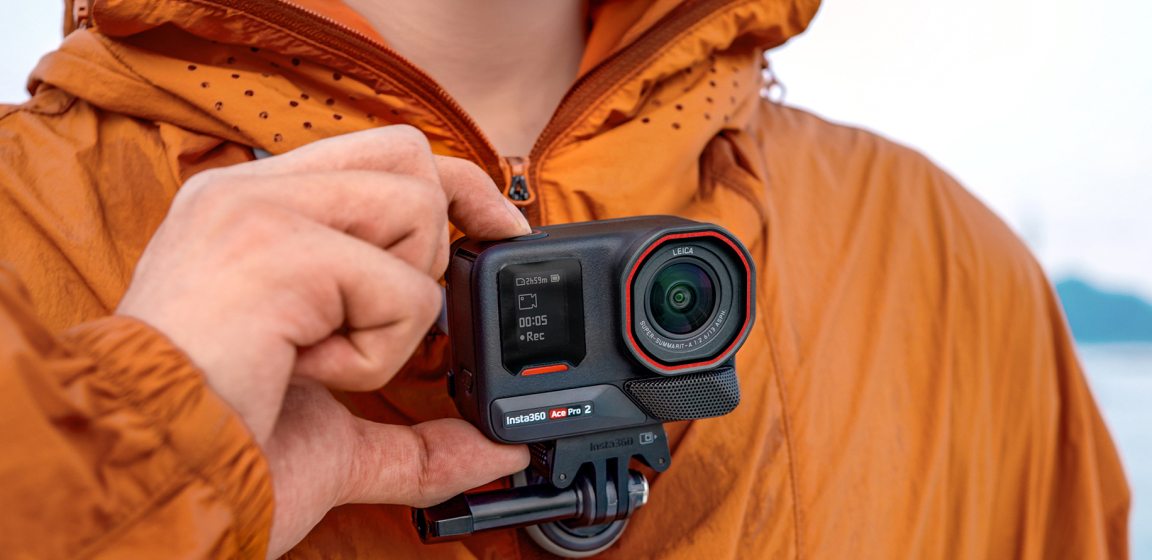
Where the Insta360 Ace Pro 2 Fits in the Recommended Action Camera Market
Strengths that set it apart
The Insta360 Ace Pro 2 distinguishes itself with a larger sensor and advanced image processing, delivering clearer footage in both bright daylight and challenging low-light scenes. Its stabilization remains effective without aggressively shrinking the frame.
Who gets the most value from it
The Insta360 Ace Pro 2 suits creators who want reliable low-light performance without moving into bulky professional cinema setups. Travelers and outdoor enthusiasts also benefit from its durable build and streamlined workflow.
If you’re reading a Insta360 Ace Pro 2 action camera review, the consistent theme is versatility—it adapts well to different shooting styles without constant adjustments.
Buying Tips Before You Commit to a Recommended Action Camera
Accessories and mounting options that matter
A strong accessory ecosystem expands how and where you can shoot. Helmet mounts, vehicle mounts, and handheld grips quickly become essential.
Before purchasing, confirm compatibility with accessories you already own or explore established systems like those found on action camera mounting systems.
Software support and long-term updates
The companion app affects how easily you edit clips, transfer files, and update firmware. Frequent updates often bring better stabilization, new features, and bug fixes.
Cameras backed by active software development tend to stay relevant longer.
Conclusion
Choosing the right recommended action camera isn’t about chasing the highest numbers—it’s about matching features to how you actually shoot. Prioritize video quality, stabilization, battery performance, and usability over flashy specs. Models like the Insta360 Ace Pro 2 show how modern action cameras are evolving to serve both adventurers and creators. Take a moment to define your main use case, compare real-world performance, and then choose the camera that will get used—not left at home.
FAQs
What is the most recommended action camera for low-light video?
Cameras with larger sensors and advanced image processing perform best in low light. Focus on models that control noise and preserve natural color after dark.
Is Insta360 Ace Pro 2 suitable for professional content creation?
Yes. Despite its compact size, it offers strong video quality, reliable stabilization, and color profiles that integrate well into professional workflows.
How much should I spend on a recommended action camera?
Entry-level models start at a few hundred dollars, while premium options cost more. Base your budget on how often you’ll shoot and which features you’ll actually use.
Do I need extra accessories for an action camera?
No accessories are required to get started, but mounts, spare batteries, and microphones can significantly expand what and how you film.