
Introduction
The keyboard you choose as a coder can drastically affect your efficiency and comfort. A well-chosen keyboard can enhance coding speed, minimize fatigue, and increase productivity. Coders dedicate numerous hours to typing, making an optimized keyboard not just a tool, but a pivotal component of their workflow. This guide highlights the best keyboards for coding, designed with features that cater specifically to coding needs.

Key Features of Coding Keyboards
Selecting a keyboard involves considering features that improve your coding performance:
-
Ergonomics and Comfort: Long coding sessions demand keyboards that offer wrist support and ergonomic design. This helps in reducing discomfort and ensures a natural hand position.
-
Key Switch Types: Mechanical switches are highly regarded for their tactile feedback, enhancing typing precision and speed. Each type of switch offers unique sound and feel, accommodating various user preferences.
-
Customization Options: Programmable keys and macro setups make repetitive tasks effortless and enhance coding efficiency.
These key attributes will guide you towards choosing a keyboard that suits your coding style. With these considerations in mind, let’s explore the most recommended mechanical keyboards.
Top Mechanical Keyboards for Coding
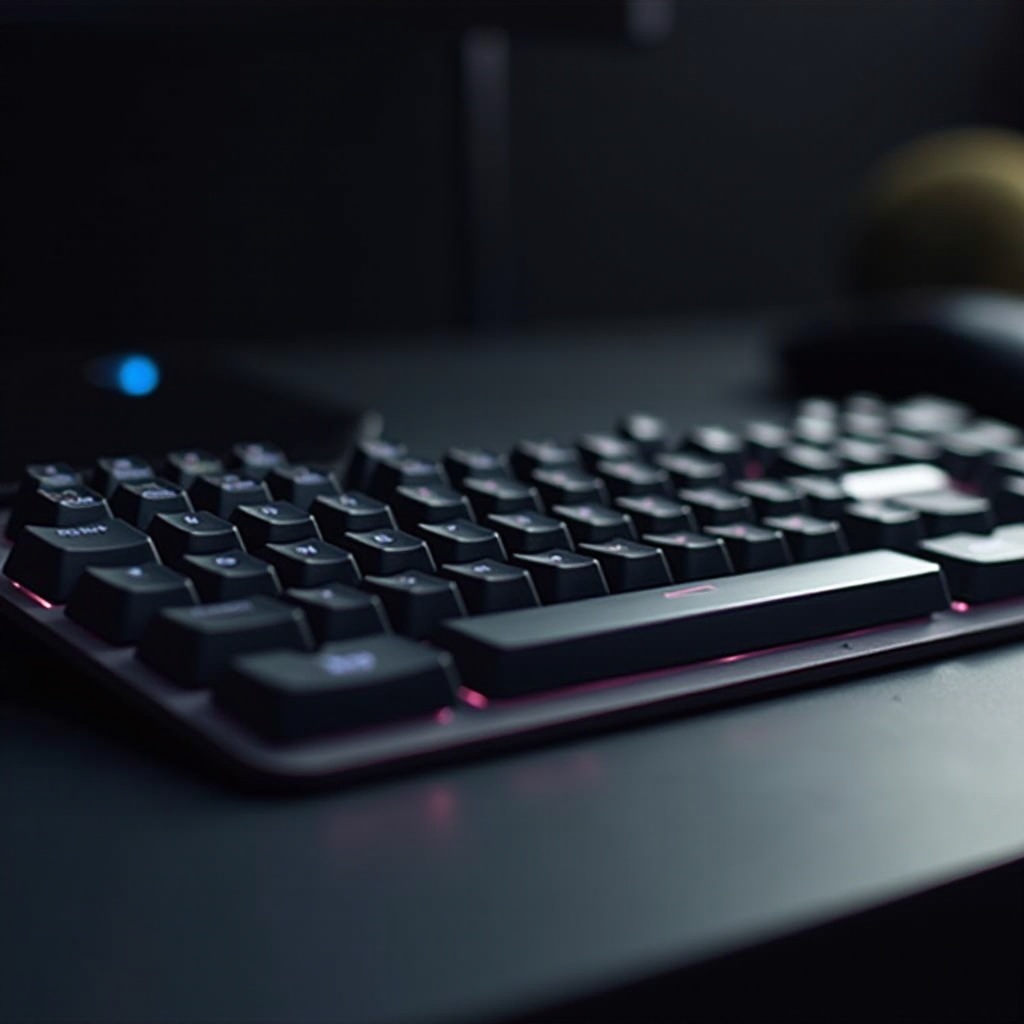
Mechanical keyboards are treasured by developers for their durability and responsive feedback. Here are two top picks:
-
Keyboard A: Features and Benefits: Equipped with spring-like mechanical switches, Keyboard A is renowned for precise typing and durability. Users appreciate its build quality and the customizable keys that streamline shortcuts.
-
Keyboard B: Features and Benefits: Offering an ergonomic design, Keyboard B delivers comfort with its responsive switches. Its customizable backlighting options improve visibility in varying light conditions.
Now that we understand the advantages of mechanical keyboards, let’s shift the focus to ergonomic models designed for prolonged typing sessions.
Ergonomic Keyboards for Long Coding Sessions
Ergonomic keyboards are essential for coders who spend extensive periods typing:
-
Keyboard X: Design and Benefits: Designed to reduce strain, Keyboard X sports a split layout facilitating a natural wrist angle. Its plush palm rest is praised by coders for providing additional comfort.
-
Keyboard Y: Design and Benefits: With contoured keys assisting fluid finger movement, Keyboard Y prioritizes reducing repetitive strain injuries and maintains typing efficiency.
Ergonomically designed models enhance coder well-being by prioritizing physical health during prolonged use. After examining comfort-focused options, we will evaluate the connection choices for coding setups.
Wireless vs. Wired Keyboards for Coders
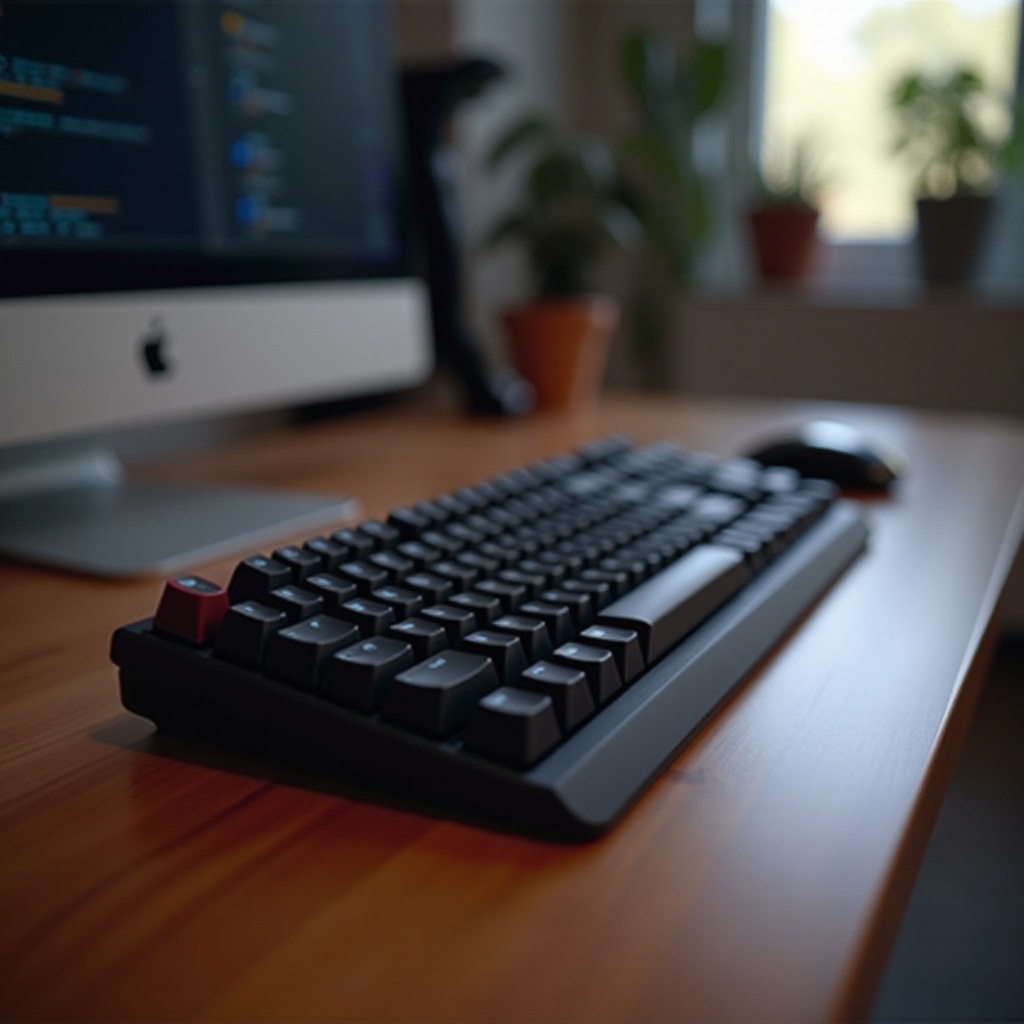
When deciding between wired and wireless keyboards, consider flexibility and reliability:
-
Advantages of Wireless: Wireless keyboards provide movement freedom and drastically reduce cable clutter, proving ideal for neat workspaces.
-
Benefits of Wired: Wired keyboards guarantee constant connectivity and minimal latency, critical for rapid-paced programming tasks. They excel in professional environments where reliability is vital.
This understanding of connection types allows coders to make informed choices based on their work environment needs. The subsequent section discusses achieving quality on a budget.
Budget-Friendly Coding Keyboards
Quality does not always equate to high cost. Affordable options can deliver essential features:
- Affordable Yet Efficient Options: Keyboard Z offers mechanical switches paired with ergonomic features, showing that budget choices can rival premium models. It serves as an excellent starting point for those new to coding.
Having explored cost-effective solutions that retain key attributes, we now focus on software integration for personalized functions.
Software Integration and Customization
The importance of software features in coding keyboards cannot be overstated:
-
Programmable Keys: Dedicated software enables users to configure complex shortcuts on specific keys, optimizing productivity.
-
Use with Popular Programming Languages: Seamless integration with coding environments like Python or JavaScript transforms keyboards into powerful programming tools.
These software enhancements turn keyboards into personalized coding centers, boosting daily efficiency. As we draw the article to a close, let’s recap our insights.
Conclusion
The right coding keyboard combines ergonomics, switch type, and flexibility with affordability. Understanding the various features ensures that a keyboard transforms into a trusted companion rather than just hardware. By investing in quality equipment tailored to coding needs, programmers can improve their work experiences and results.
Frequently Asked Questions
Is a mechanical keyboard necessary for effective coding?
While not mandatory, mechanical keyboards enhance typing speed and accuracy due to their tactile feedback.
How does keyboard layout impact coding speed?
Layouts minimizing finger movement improve speed, decrease strain, and boost efficiency.
What factors should I consider when choosing a coding keyboard?
Consider ergonomics, switch type, customization options, and connection type for optimal coding performance.