
Introduction
Choosing the right keyboard is crucial for programmers who spend countless hours typing lines of code. A well-suited keyboard can significantly enhance your coding speed and efficiency, while reducing the chances of RSI (Repetitive Strain Injury). With numerous options available, finding the best computer keyboard for programmers in 2024 is more important than ever. Whether you’re a fan of mechanical switches or prioritize ergonomic design, understanding the features that matter can make all the difference in your programming career.
Why Choosing the Right Keyboard Matters for Programmers
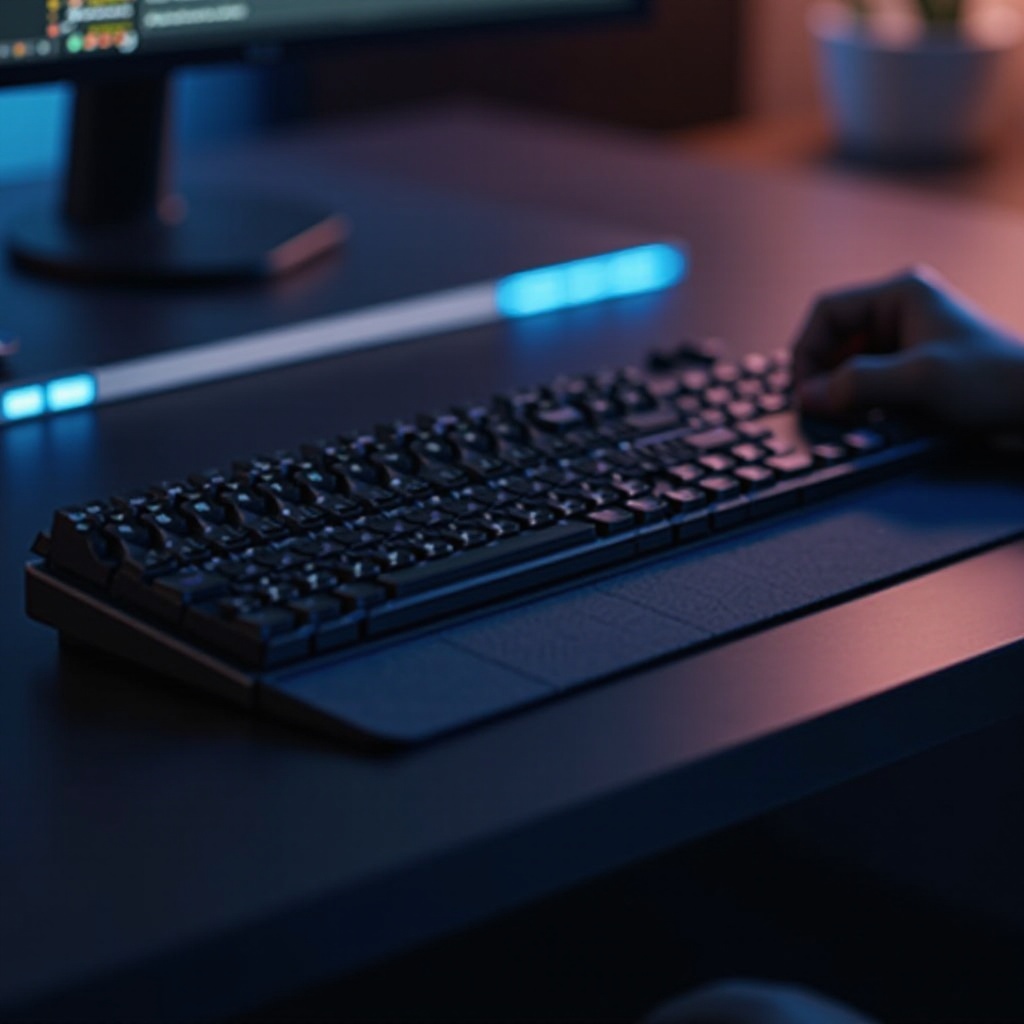
The keyboard isn’t just an interface device. It’s an essential tool that directly affects a programmer’s productivity and health. Programmers need responsive, comfortable keyboards that support long sessions without causing discomfort. A well-made keyboard helps reduce errors and increases typing speed, which is vital for meeting deadlines in software development.
These keyboards also allow for customization, which means you can tailor the keyboard layout with programmable keys to suit specific tasks. Investing in a high-quality keyboard reduces the risk of wrist strain and other repetitive stress injuries common in the profession.
Continuing from the importance of the keyboard choice, let’s delve into the key features that make a keyboard ideal for programming.
Key Features to Look for in a Programmer’s Keyboard
When searching for the best computer keyboard for programming, certain features stand out as must-haves for a programmer:
-
Ergonomics and Comfort: A keyboard with an ergonomic design can help maintain proper posture and hand positioning. Consider keyboards with palm rests, adjustable feet, and split designs for optimal comfort.
-
Key Switch Types: Mechanical key switches are ideal for programmers who prefer tactile feedback and precision. They also tend to be durable, offering a longer lifespan compared to membrane counterparts.
-
Customizability and Programmable Keys: Having programmable keys can significantly enhance efficiency. Look for keyboards with macro support, allowing you to assign frequent code snippets or commands to specific keys.
Now that we have explored the features, let’s identify some of the top keyboards available for programmers this year.
The Top Keyboards for Programmers in 2024
Based on the mentioned key features, here are the leading keyboards for programmers:
-
Best Mechanical Keyboards: Mechanical keyboards are praised for their tactile feedback and durability. Models like Brand A and Brand B offer customizable key switches and programmable keys, designed for intensive coding sessions.
-
Best Ergonomic Keyboards: Ergonomic designs help alleviate wrist strain and improve typing posture. Brand C offers a split keyboard design with tenting options, while Brand D integrates a cushioned palm rest for added support.
-
Best Wireless Keyboards: For those valuing mobility and a clutter-free workspace, wireless options like Brand E provide reliable connectivity and extended battery life, ensuring you’re always ready to code.
Selecting the right keyboard involves understanding technological advancements. Let’s explore the newest trends in keyboard design.
Technology Trends in Keyboard Design for Programmers
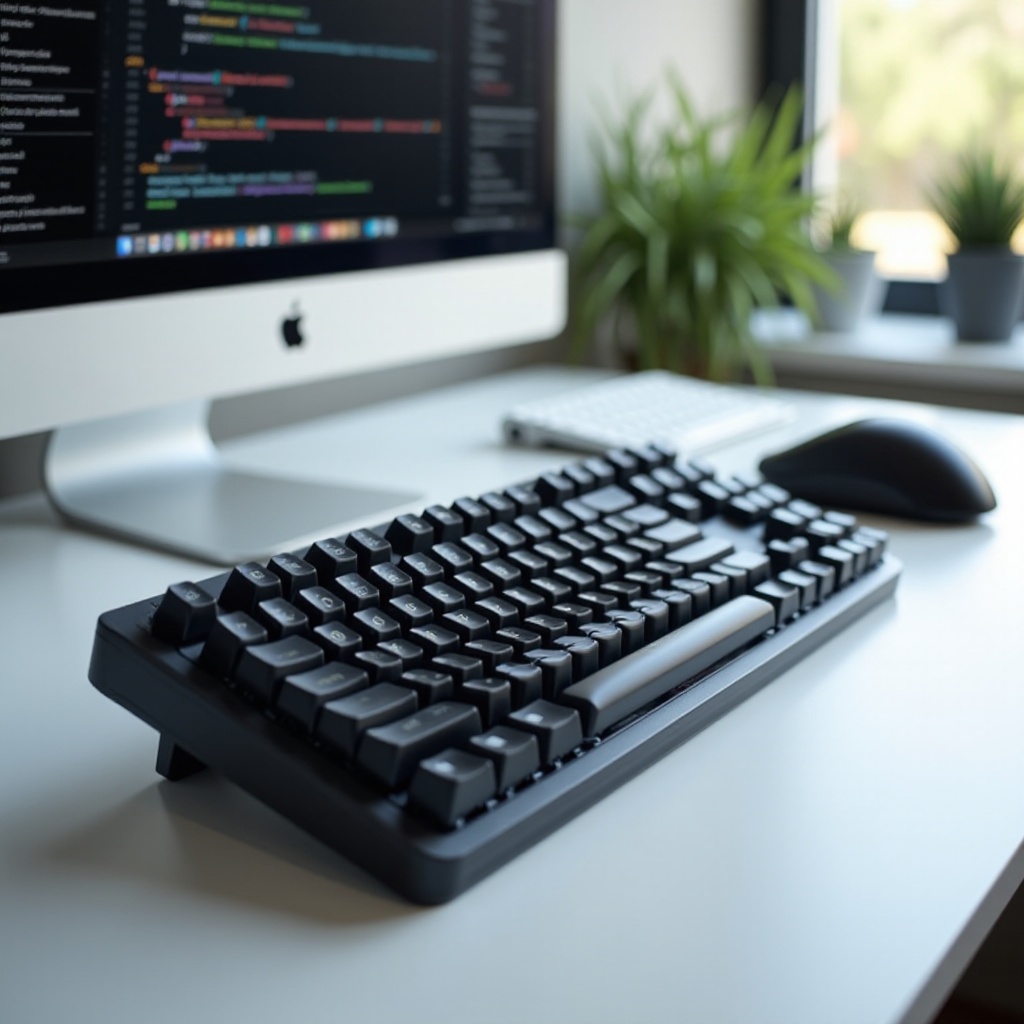
The keyboard industry is continuously evolving with new technologies designed to enhance user experience:
-
Innovations in Key Switch Technology: Programmers will appreciate advancements in key switch technology, offering quieter operations and reduced actuation force. Brands are evolving towards smoother keys that require minimal effort to press.
-
Eco-friendly and Sustainable Materials: With increasing awareness around sustainability, brands are adopting eco-friendly materials in their keyboard construction. Bamboo and recycled plastics are becoming popular choices among environmentally conscious programmers.
These innovative trends mean that programmers can expect more efficient and sustainably produced products, aligning technology with comfort and responsibility.
Understanding these trends is essential, but it’s equally important to know how to choose a keyboard that matches your specific needs. Let’s look at some practical steps you can take when selecting a keyboard.

How to Choose the Best Keyboard for Your Programming Needs
Choosing the best keyboard involves more than just picking one with appealing features. Consider these practical steps:
-
Considerations for Testing Keyboards: Test the keyboards for comfort and responsiveness. Whether online or in-store, ensure you try different models to find the perfect fit for your typing style.
-
Online vs. In-store Purchasing Tips: Shopping in-store allows hands-on testing of various keyboards, while online shopping provides convenience and often better bargains. Compare prices and read reviews to make an informed decision.
By following these steps, you’ll be equipped with the knowledge needed to purchase a keyboard that balances both quality and comfort, tailored specifically to your coding needs.
Conclusion
The best computer keyboard for programmers is one that meets individual preferences in terms of comfort, functionality, and design. Prioritize ergonomic and customizable features that will enhance your coding experience and reduce physical strain. Investing in a high-quality keyboard is an important step towards boosting productivity and safeguarding your health during long programming sessions.
Frequently Asked Questions
What is the best keyboard layout for programming?
Choosing a layout depends on the individual’s preferences. Many programmers prefer QWERTY for its widespread familiarity, while others may opt for layouts like DVORAK for claimed efficiency benefits.
Are mechanical keyboards better for programming?
Mechanical keyboards are often favored for programming due to their tactile feedback, durability, and rapid key actuation, enhancing typing speed and reducing errors.
How do I maintain my keyboard for long-term use?
Maintain your keyboard by cleaning it regularly to remove dust and debris that accumulate between keys. Avoid eating near your keyboard and consider using a cover when not in use to prolong its lifespan.