
Introduction
Mechanical switches play a crucial role in elevating the gaming experience, directly influencing tactile feedback, responsiveness, and precision in keyboard inputs. Gamers looking to improve their gameplay often start by exploring different switch types to find the perfect balance between speed and accuracy. This exploration is essential, as the gaming industry continuously evolves, making it vital for players to comprehend these mechanical components.
Understanding Mechanical Switches for Gaming
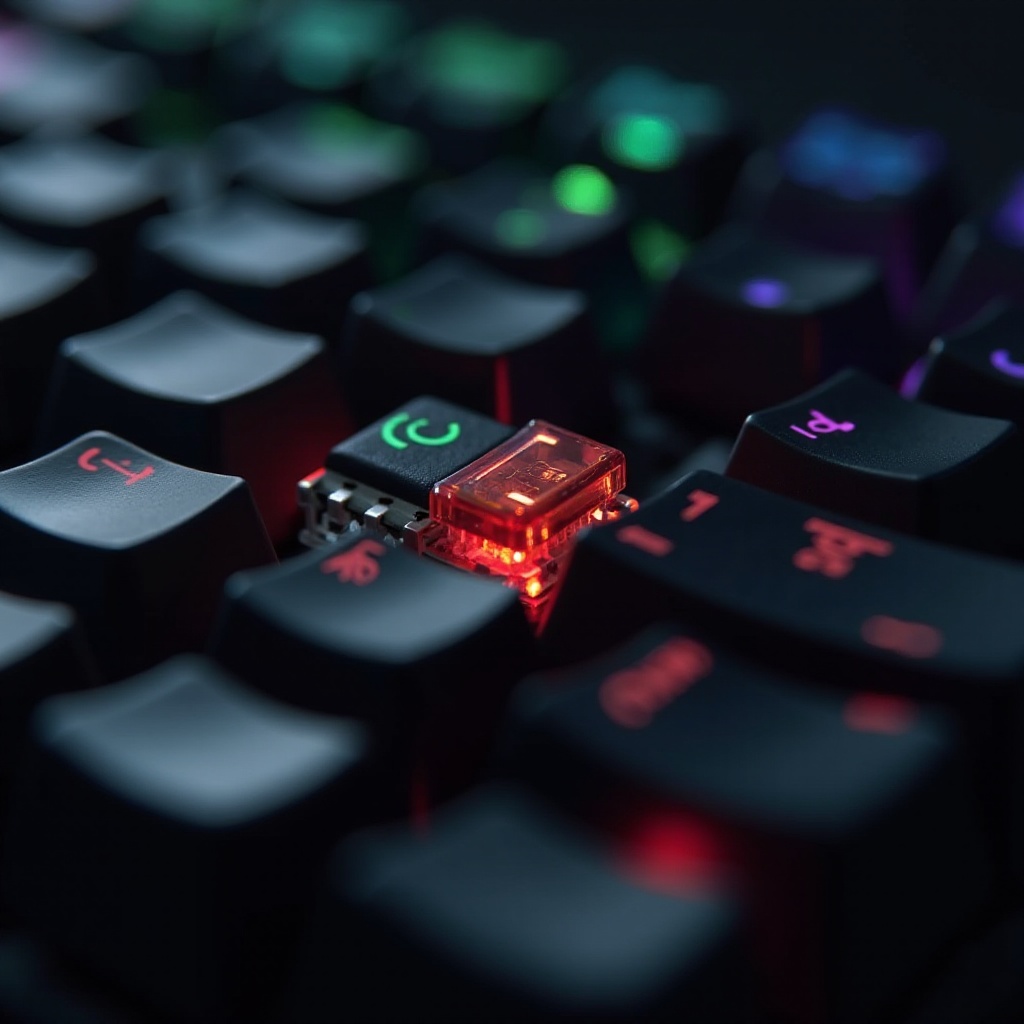
Mechanical switches consist of physical components that offer distinct feedback mechanisms vastly different from membrane switches. At their core, mechanical switches have individual switches beneath each key, resulting in a more tactile and precise experience. Knowing how these switches operate is fundamental to evaluating their potential to boost gameplay. Gamers can then tailor their input responses for different genres effectively, ensuring a competitive edge.
Types of Mechanical Switches
Linear Switches
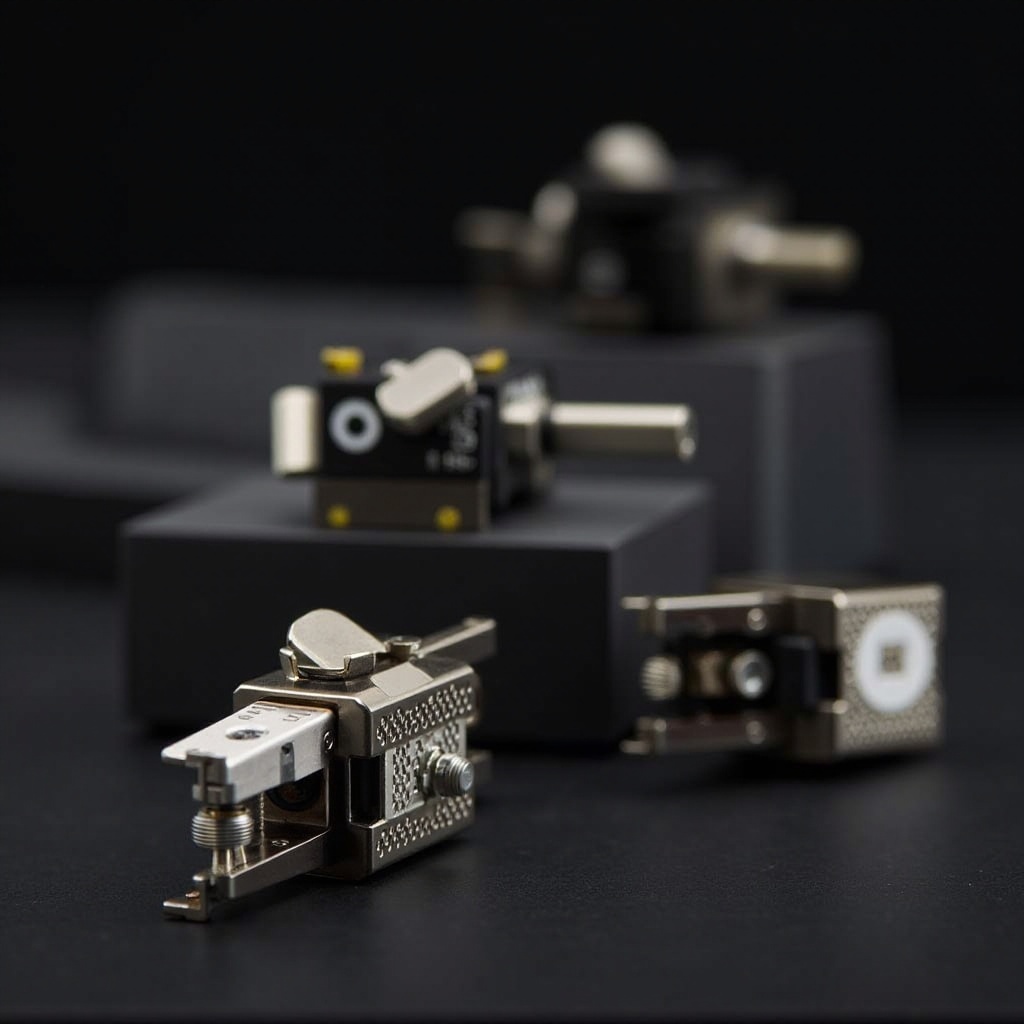
Linear switches are characterized by a smooth keystroke absent of tactile bump or audible click. They are favored for their silent operation and high-speed action, making them ideal for fast-paced games where fluid movements are crucial.
Tactile Switches
Tactile switches offer a slight bump during their travel, providing physical feedback to the user. This feature supports precise actuation and is particularly beneficial for strategic games where accuracy and speed are essential. The tactile response helps in preventing full depression of the keys, aiding in maintaining the keyboard’s longevity.
Clicky Switches
Clicky switches are both tactile and audible, offering a satisfying click sound upon activation. This feedback can enrich the gaming experience but may distract players who prefer quieter sessions. Clicky switches are chosen by users who enjoy the auditory assurance of a keystroke’s completion.
Top Mechanical Switches for 2024
As technology evolves, several switches continue to dominate in popularity and performance.
Cherry MX Series
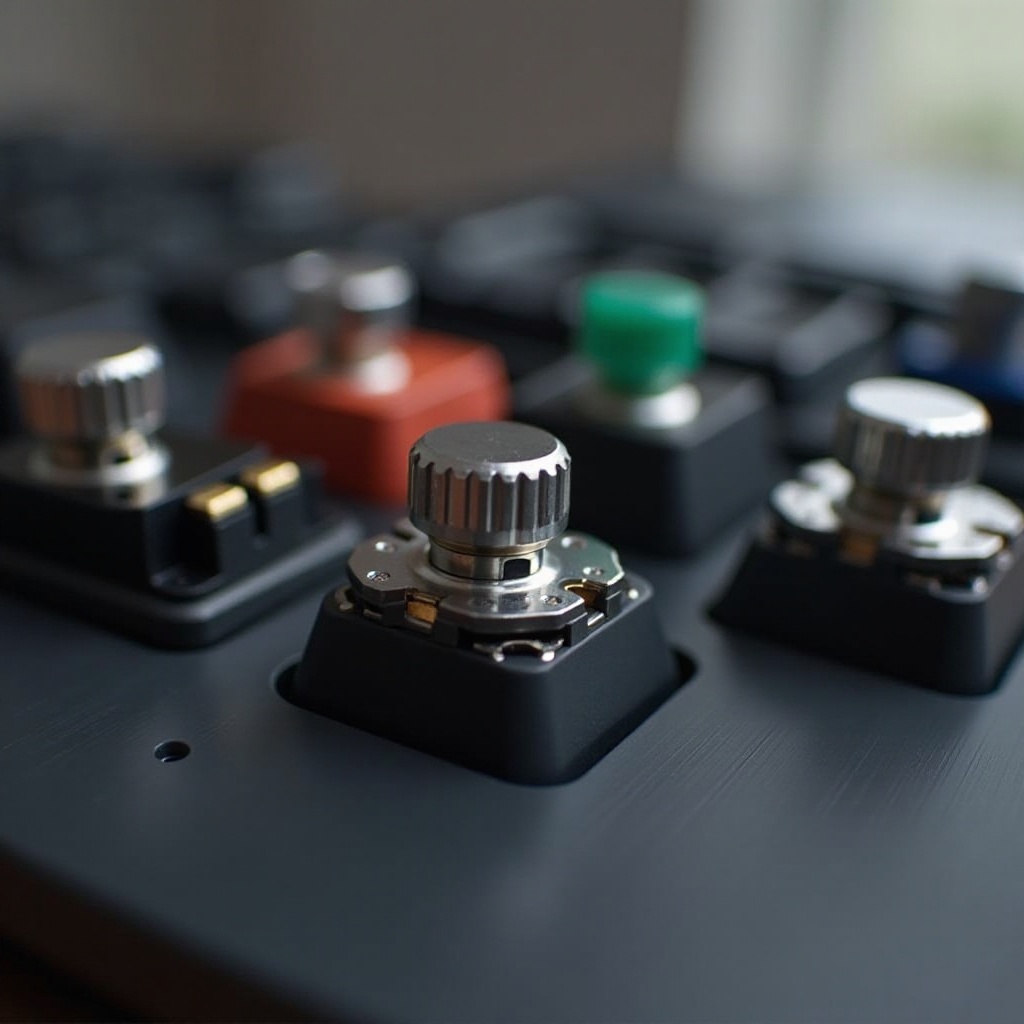
Cherry MX switches remain a staple due to their consistent performance and variety. The MX Red provides linear action suited for rapid input games. MX Brown combines tactile feedback with minimal noise, serving both gaming and typing needs efficiently. MX Blue stands out for its satisfying clicky feedback.
Razer Switches
Razer innovates with their diverse mechanical switch offerings, including Yellow switches for rapid actuation and Green switches for tactile, clicky feedback. The Orange variant strikes a balance between silence and tactile response, emerging as an adaptable choice.
Emerging Brands and Technologies
Beyond established names, newer brands are gaining favor through unique offerings. Gateron and Kailh switches are recognized for smoother travel and affordability. Moreover, optical switches from brands like SteelSeries offer faster input recognition exploiting light-based actuation mechanics.
Choosing the Right Switch for Your Gaming Style
Selecting the correct mechanical switch significantly impacts gaming effectiveness and enjoyment. Whether engaging in FPS or strategic RPGs, the right switch can transform the experience.
FPS and Action Games
Games that require rapid reflexes benefit from linear switches because of their smooth pathway and quick response times. Cherry MX Red and Razer Yellow are prominent choices among FPS enthusiasts who prioritize speed.
RPG and Strategy Games
Games demanding strategic planning and precise commands favor tactile switches like Cherry MX Brown or Razer Orange. Their pushback ensures gamers gain immediate feedback without needing full key depression.
Competitive vs. Casual Gaming
Competitive gamers often select switches for reliability and speed, whereas casual gamers might prefer options blending performance with comfort and quiet operation. Evaluating gameplay and personal preference is crucial in finding the perfect balance.
Performance Metrics and Durability
Assessing the lifespan and operational metrics of switches is essential for long-term gaming investments. Mechanical switches naturally provide durability superior to membrane switches.
Actuation Force
Actuation force, measured in grams, dictates the pressure needed for a keypress. Preferences vary—lighter force facilitates quicker inputs, heavier force prevents accidental keystrokes.
Lifespan and Reliability
Mechanical switches promise up to 50 million keypresses. This longevity is crucial for dedicated gamers who require reliability without frequent replacements.
Customization and Features
Today’s mechanical switches come with customizable RGB lighting and programmable keys, allowing gamers to tailor their setup visually and functionally to suit personal styles and efficiency needs.
Conclusion
Exploring what mechanical switches best suit gaming is shaped by individual taste and gaming style. Prioritizing speed, tactile feedback, or auditory cues empowers gamers to enhance immersion and elevate gaming performance. By analyzing factors like switch type and metrics, players secure a personalized and dynamic gaming setup.
Frequently Asked Questions
What are the quietest mechanical switches for gaming?
Choose tactile switches like Cherry MX Brown or linear switches such as Gateron Reds for a quieter gaming experience.
How do mechanical switches impact gaming performance?
Mechanical switches offer precise, tactile feedback, reduced input lag, and increased durability, enhancing gaming precision and speed.
Are mechanical switches worth it for casual gamers?
Yes, mechanical switches provide enhanced feedback and greater comfort, making them a valuable investment even for non-competitive gaming sessions.